
Power bills across Australia just keep climbing, and let’s be honest keeping your home at a decent temperature throughout the year is getting ridiculously expensive. A massive chunk of what you pay each month goes straight into keeping warm in winter and cool in summer. If you’re still relying on old electric bar heaters, an aging gas unit that clunks away in the background, or an ancient air conditioner that practically guzzles power, you’re almost certainly throwing money down the drain.
That’s where modern heat pumps come in. Making the switch is easily one of the smartest moves you can make if you want to pull those energy bills down without freezing through July or sweating through January.
The secret is actually pretty simple. Old-school heaters work hard to generate heat from scratch, either by burning gas or running power through heating coils until they glow red. By shifting heat rather than generating it, heat pumps keep your home comfortable on a fraction of the power.
What Are Heat Pumps for Homes and How Do They Work?
To see why heat pumps for homes save so much energy, it helps to understand how they handle heat. Old electric heaters warm a room by running power through metal wires until they glow hot. Gas heaters burn fuel to make a flame. Both ways need a lot of energy or fuel every time you turn them on.
Heat pumps do not make new heat. Instead, they use a small amount of power to collect heat from the air outside and bring it inside. Even on cold winter days, the outside air still contains plenty of natural heat.
Understanding Air Source Heat Pumps
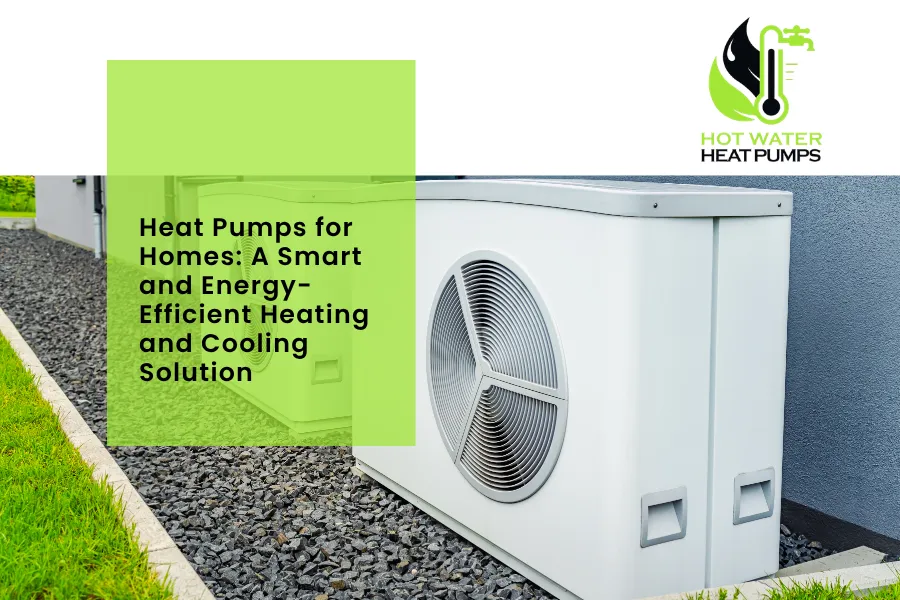
The most popular type for homes is the air source heat pump. These works is just like a reverse-cycle air conditioner or your kitchen fridge. They use a special liquid, called refrigerant, flowing through pipes to catch and drop off heat.
- Catching Heat: Cold liquid inside the outdoor unit absorbs heat from the outside air and turns into a gas.
- Squeezing the Gas: A compressor squeezes this gas tightly, which makes it very hot very quickly.
- Releasing Heat: The hot gas moves to the indoor unit, where it gives off its heat into your room and turns back into a liquid.
- Switching Modes: In summer, a simple valve changes the flow direction. The system takes hot air out of your rooms and pushes it outside to keep you cool.
Because the electricity is only used to push heat around rather than create it from scratch, residential heat pump systems can reach efficiency levels of 300% to 400%. That means for every unit of power it uses, it gives you three to four units of heating or cooling in return.
Why Australian Homeowners Are Switching to Residential Heat Pump Systems
More Australians are upgrading their home appliances to save money and avoid gas bills. Replacing old heating setups with modern heat pumps brings great benefits to any property.
- Big Savings on Power Bills
Higher efficiency means lower running costs. Gas was once the cheapest way to warm up a house, but gas prices have gone a lot. High-efficiency air source heat pumps are now much cheaper to run per hour than gas or basic electric heaters.
If you have solar panels on your roof, running your heat pumps for homes during daylight hours means you can warm or cool your house for almost nothing.
- Heating and Cooling in One System
Instead of buying and fixing separate appliances for winter and summer, a heat pump does both jobs well. Having one reverse-cycle system keeps things simple, takes up less space on your walls, and cuts down on service costs.
- Better for the Environment
Gas heaters push exhaust fumes directly out into the air around your home. Old electric heaters draw too much power from the grid. Heat pumps use far less electricity to do the same job. As Australia uses more renewable energy like solar and wind, heat pumps become even cleaner over time.
- Safer and Cleaner Indoor Air
Unserviced gas heaters can spill fumes into your living area if they are not vented properly. Heat pumps do not burn anything, so there are no open flames, hot elements, or gas leaks to worry about. They also have built-in air filters that trap dust and pollen, keeping the air cleaner for people with asthma or allergies.
Key Types of Heat Pump Systems for Homes
Every home has a different floor plan and size. Choosing the right layout makes sure your air flows smoothly and keeps your energy bills low.
|
System Type |
Best Suited For |
Key Benefits |
|
Split-System Heat Pumps |
Single rooms, main living areas, or bedrooms |
Affordable to buy, easy to control per room, quick to install. |
|
Multi-Split Heat Pumps |
Homes with several rooms but limited roof space |
Runs several indoor units from one outdoor unit with custom warmth per room. |
|
Ducted Heat Pumps |
Complete heating and cooling for the whole house |
Neat vents in the ceiling, even temps across all rooms, easy zone control. |
|
Hot Water Heat Pumps |
Your home’s hot water taps and showers |
Replaces old power-hungry hot water tanks with low-power heat transfer tech. |
At Hot Water Spec Air, we help match your house size and layout with the right system to keep you comfortable while saving money.
Heat Pump Installation: Important Things to Check First
Getting a home heat pump installation done is a great investment for your house. However, how well your system works depends heavily on picking the right size and getting it fitted properly by a licensed installer.
Getting the Right Size Unit
A very common mistake during heat pump installation is choosing a unit based only on floor space. A good installer looks at a few extra details:
- The height of your ceilings and total room volume.
- Which way do your main windows face and how much sun they get.
- Your window glass types and window frames.
- How much insulation do you have on the roof and walls.
- Your local climate and how cold your winters get.
If your heat pump is too small, it will struggle on freezing winter mornings or hot summer afternoons. It will run full power all day and waste electricity. If it is too big, it will turn on and off too quickly, which wears out parts faster and leaves uneven temperatures in the air.
Picking the Best Spot Outside
Outdoor compressor units need fresh air to work properly. Putting an outdoor unit in a narrow, closed-off side path stops air from moving freely and forces the machine to work much harder. Placing the unit on a flat, solid pad away from bedroom windows also keeps things nice and quiet at night.
Checking Your Insulation
Heat pumps work best when heat stays inside your home. If your roof lacks insulation or your doors let in cold air, heat will leak out fast. Fixing big draughts and putting insulation in your roof before heat pump installation will help your new system run smoothly and can even let you buy a smaller, cheaper unit.
Comparing Heat Pumps to Other Heating Options
To see why heat pumps for homes the best choice is today, look at how they compare to traditional heaters.
- Compared to Gas Ducted Systems: Gas systems burn fuel and lose heat through roof pipes, often giving back less than 80% of the energy you pay for. They also cannot cool your home in summer. Heat pumps give back up to 400% efficiency and cool your home easily.
- Compared to Basic Electric Heaters: Plug-in heaters convert 1 kW of electricity into 1 kW of warmth. Heat pumps turn 1 kW of electricity into 3 kW or 4 kW of warmth indoors, cutting your heating power use by up to 70%.
- Compared to Evaporative Coolers: Evaporative coolers struggle on sticky, humid days and cannot warm your home in winter. Heat pumps deliver strong cooling and dry out humid air no matter what the weather is like outside.
Easy Ways to Save Money Running Your Heat Pump
Once your residential heat pump systems are installed, a few simple habits will keep your running costs low and help your system last longer.
Set a Sensible Temperature
Setting your remote to an extreme temperature will not warm or cool the room any faster. Pushing the thermostat too far just uses extra power. Aim for 20°C to 22°C in winter and 24°C to 25°C in summer. These settings keep your home cozy while running the pump in its most efficient zone.
Turn Off Unused Zones
If you have a ducted system, turn off heating or cooling in empty rooms like spare bedrooms or formal dining areas during the day. Keeping air flowing only where you are spending time saves electricity.
Keep Filters Clean
Dust indoor air filters slow down airflow and make the motor work harder. Slide out your filters and vacuum them every month during winter and summer. Clean filters keep your system running smoothly and keep indoor air fresh.
Book a Yearly Check-up
Heat pumps are very reliable, but an annual check-up keeps them running like new. A technician can check gas levels, clean the outdoor coils, test the wiring, and clean out drainpipes so everything works safely.
Frequently Asked Questions (FAQs)
Do heat pumps work well in cold Australian winter weather?
Yes, modern air source heat pumps work very well even when the temperature outside drops below freezing. Advanced motors and automatic defrost settings let them pull heat from icy outside air easily, keeping your living rooms warm and comfortable on cold mornings.
How much money can I save with a residential heat pump?
Replacing old plug-in electric heaters or gas heating with a high-efficiency heat pump usually cuts heating costs by 60% to 70%. The exact amount you save depends on your local power rates, house insulation, how often you run the unit, and if you have solar panels.
How many years does a home heat pump system last?
When you keep the filters clean and get an annual check-up, a good heat pump system will last between 12 and 15 years. High-quality models from top brands can run smoothly for even longer, making them a great investment for your property.
Can a heat pump also heat my home’s tap water?
Yes, dedicated hot water heat pumps are made specifically for heating tap water. They pull warmth from the outside air to heat water in a storage tank, using up to 75% less electricity than old electric hot water systems while giving you plenty of hot water.
What happens during a professional heat pump installation?
Installation starts with a visit to check your home size, power board, and the best places to mount the units. Tradespeople then fit the indoor and outdoor units, run copper pipes and power cables between them, seal any holes in the walls, test the system, and show you how to use the remote.
Do heat pumps need a lot of maintenance work?
No, heat pumps need very little maintenance day-to-day. You only need to clean the indoor filters every few weeks and clear away dead leaves or garden debris from around the outdoor unit. A quick annual check by a licensed technician handles the rest.
Upgrade Your Home Comfort with Hot Water Spec Air
Choosing modern heat pumps for homes is one of the best choices you can make for your property. By swapping out old heaters and air conditioners for an all-in-one energy-efficient heating and cooling system, you get great comfort, protection from high gas bills, and a cleaner home.
At Hot Water Spec Air, we specialise in setting up heating, cooling, and hot water heat pump setups built for Australian conditions. Our expert team will help you through every step, from checking your property layout and picking the right size to professional home heat pump installation and ongoing support.
Stop wasting money on old heaters. Contact Hot Water Heat Pump today for a free quote and rebate advice to upgrade your home comfort.