
Keeping your home warm during cold winters requires a heater that is strong and reliable. For many Australian families, ducted heating is the best way to get even heat in every room. But if you are replacing an old gas heater or electric panel, you probably want to know how much it will cost.
To work out the real electric ducted heating cost, you need to look at two things: the upfront price for the unit and fitting, and the electricity bills you will pay later. Modern heat pump systems are very clever. They use far less power than old heaters, especially when you pair them with zone controls or solar power.
This guide explains typical electric ducted heating prices, everyday electric ducted heating running costs, and the main things that change the total cost for Australian homes.
What Is the Average Electric Ducted Heating Cost in Australia?
For most Australian homes, a complete system costs between $6,000 and $16,000+ fully installed. The exact price depends on how big your home is, the power output you need, and how easy it is to fit the pipes in your ceiling.
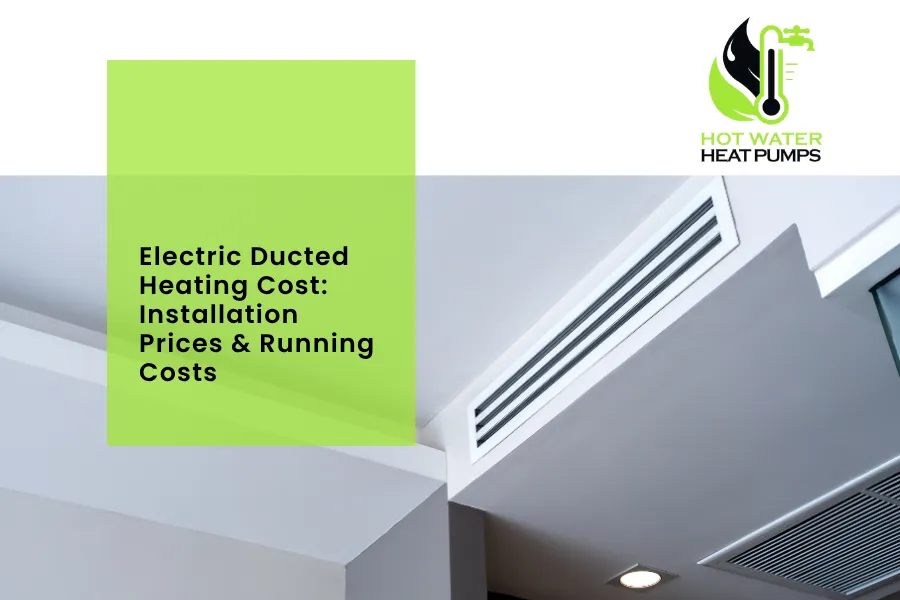
With Electric ducted heating systems, the unit brings in air and then conditions it. The air is warmed or cooled in the indoor equipment. After that, it moves through ducts that sit out of sight on the ceiling or on the floor. This means you get heating and cooling from one system.
| House Size | System Size Needed | Estimated Total Fitted Cost (AUD) |
|---|---|---|
| Small Home / Unit (1–2 Bed, ~80–110 m²) | 7 kW – 10 kW | $6,000 – $8,500 |
| Medium Home (3–4 Bed, ~120–180 m²) | 12 kW – 15 kW | $8,500 – $12,500 |
| Large Home / Two Storey (4+ Bed, 200+ m²) | 16 kW – 24 kW+ | $12,500 – $16,500+ |
Breakdown of Electric Ducted Heating Installation Cost
The total electric ducted heating installation cost includes both the hardware and the tradespeople who fit it. Some newer systems are reverse-cycle heat pumps. They can heat in the colder season and cool in the hotter season. You get one setup that does both jobs.
1. Equipment and Parts
This includes the outside box, the unit inside your roof, the wall controller, vents, and internal dampers. Buying top brands with smart speed controls costs more upfront, but they use less electricity over time.
2. Ducts and Materials
Tubes made from well-insulated material stop warm air from escaping into the roof. Replacing old or broken ducts usually adds $1,500 to $4,000 to your ducted electric heating installation budget.
3. Safety and Electrical Work
Large central units need a lot of power. They often need their own dedicated circuit. If your home switchboard is old, upgrading it will add around $800 to $2,500.
4. Labour and Roof Space
Labour costs change depending on how easy it is to get into your roof space. Laying flexible ducts in a big, high roof takes less time than squeezing pipes into small spaces in a multi-level house.
Things That Change Electric Ducted Heating Prices
No two Australian houses are the same. These key details will change your final quote:
- Ceiling Height and Room Size: High ceilings and large open rooms need bigger systems with more airflow to stay warm.
- Zone Controls: Zoning lets you split your home into separate areas (like bedrooms and living rooms). Adding motorized zone dampers adds $1,200 to $3,000 to electric ducted heating prices, but it stops you from wasting power on empty rooms.
- Insulation: A well-insulated home keeps warmth inside much longer. This means you can buy a smaller, cheaper system.
- New Build vs Old House: Putting ductwork into a house while it is being built is easier and cheaper than fitting it into an older, existing home.
Understanding Electric Ducted Heating Running Costs
To understand electric ducted heating running costs, you need to see how heat pumps work. Old electric bar heaters turn 1 unit of power directly into 1 unit of heat. Reverse-cycle heat pumps do not create heat directly. Instead, they pull natural warmth from the outside air and move it indoors.
Because of this, modern heat pumps are 350% to 450% efficient. For every 1 unit of power they use, they give you 3.5 to 4.5 units of warmth for your home.
Estimated Hourly and Winter Running Costs
Using a standard Australian electricity price of 35 cents per kWh, here is what typical heat pumps cost to run:
| House Size | Heating Size | Average Power Used | Hourly Running Cost (AUD) | Winter Season Cost (90 Days / 8 hrs a day) |
|---|---|---|---|---|
| Small (100 m²) | 8.0 kW | 1.8 – 2.2 kW | $0.63 – $0.77 / hr | $450 – $550 |
| Medium (160 m²) | 12.5 kW | 2.8 – 3.5 kW | $0.98 – $1.22 / hr | $700 – $880 |
| Large (220 m²) | 18.0 kW | 4.2 – 5.2 kW | $1.47 – $1.82 / hr | $1,050 – $1,310 |
Gas vs Electric Ducted Heating: Simple Comparison
Gas ducted heating used to be very popular across Australia. But with rising gas prices, solar panels on roofs, and better heat pump tech, electric systems are now a smarter choice.
- Efficiency: Standard gas heaters are 60% to 85% efficient. Electric heat pumps run at 300% to 450% efficiency.
- Solar Panels: Electric systems can use free power from your rooftop solar panels during the day. Gas heaters cannot use solar energy at all.
- Cooling Included: Gas units only heat. Electric reverse-cycle systems heat in winter and cool in summer, saving you from buying a separate air conditioner.
Easy Ways to Lower Your Electric Ducted Heating Running Costs
You can lower your energy bills while staying warm by making a few simple changes:
- Set the Right Temperature: Keep your thermostat between 18°C and 20°C in winter. Turning it up by just 1°C can add up to 10% to your power bill.
- Use Zones Wisely: Turn off heating in spare rooms, laundry, or empty spaces. Only heat the rooms you are using.
- Heat Your Home with Solar Power: If you have solar panels, turn the heater on in the late afternoon while the sun is out. This warms up your home using free solar energy before night falls.
- Clean Your Air Filters: Dirty filters block air from flowing freely. This makes the machine work harder and use more power. Wash or vacuum your intake filters every three to six months.
- Stop Draughts: Cover gaps under doors, close window curtains at dusk, and seal gaps around windows to keep the warm air inside your home.
Frequently Asked Questions
Is electric ducted heating expensive to run in Australia?
No, modern reverse-cycle heat pumps are very cheap to run. Instead of creating heat from scratch, they move warmth from outside air into your home. They give you up to four times more warmth than the electricity they draw. Using solar panels can make your running costs even lower.
How much does it cost to change from gas to electric heating?
Replacing a gas ducted heater with an electric reverse-cycle system usually costs $8,000 to $14,000. If your old roof ducts are still in good condition, installers can sometimes connect to them. You may need extra electrical switchboard upgrades or gas pipe capping.
What size electric ducted heating system do I need for my house?
Most Australian homes need about 1 kW to 1.5 kW of heating power for every 10 square metres of space. A typical 150 m² home needs a 12.5 kW to 14 kW system. High ceilings, thin windows, and local climate will also affect the size you need.
How long does it take to install a ducted electric system?
Fitting a full system usually takes 1 to 2 days. Simple unit replacements using existing roof ducts can often be finished in a single day. Full installations in older two-storey homes with new ductwork usually take two full days of work.
Can I run my electric ducted heating on solar power?
Yes, running your heat pump during the day lets you use power straight from your solar panels. Pre-heating your living rooms while the sun is shining keeps your home warm into the evening without relying as much on expensive grid electricity.
How often should my ducted system be serviced by a professional?
A good rule is to book a service every two years. A qualified technician checks gas pressure, looks over the zone controls, cleans parts inside the unit, checks electrical links, and confirms the system works safely.
Upgrade to Efficient Home Heating Today
Getting an electric ducted heating system gives you great comfort all year round, lower power bills, and better energy efficiency. By choosing the right system size, using smart zones, and taking advantage of solar energy, you can keep your family warm through winter while keeping costs down.
Ready to upgrade your home heating? Contact the friendly team at Hot Water Spec Air today for a site visit and a clear, simple installation quote. We will help you pick the perfect setup for your home layout and budget.