
Energy prices around the country are forcing homeowners to take a second look at how they can best keep their living space comfortable all year round. While gas heaters were once the standard choice for home heating, changing oil prices and the advent of new technologies have rendered them rather obsolete.
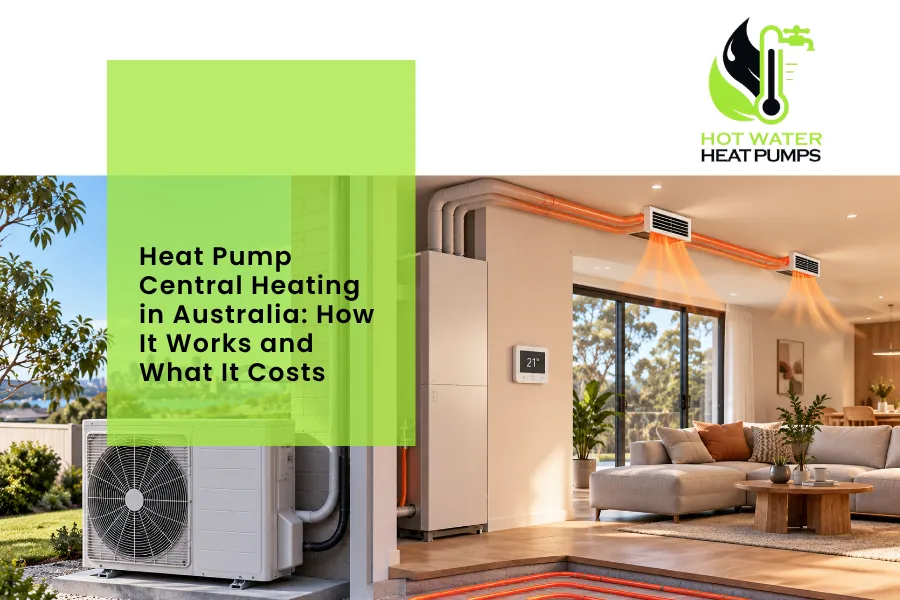
Heat pump central heating Australia wide is fast becoming the preferred choice of the shrewd homeowner looking to install an efficient and cost-effective temperature control system for their whole home. Whether you are looking to replace an old gas system or are installing the technology for the first time in your new house, it is important to understand the technology and the costs involved.
Hot Water Heat Pump can help you with your transition to more efficient electric heating. In the following short article, we will examine the inner workings of heat pump central heating and cooling Australia systems, the expected costs, and how this technology can be a sound investment for your home.
What is Electric Heat Pump Central Heating and How Does It Work?
Unlike the traditional gas or wood-burning systems that we are used to seeing, an electric heat pump central heating setup works a lot like a fridge running in reverse. Rather than burning gas to generate heat, the system works in such a way as to essentially move the heat from one place to another.
While it may seem impossible to move heat during the cold winter months, the truth is that the outside air will always contain some thermal energy. Using a special liquid gas, the heat pump is able to capture the thermal energy, condensing it into heat, and release it into your home.
The Simple Steps of Heat Transfer
1. Evaporation:
The outdoor unit pulls in air to warm up cold refrigerant, turning it into gas.
2. Compression:
A compressor squeezes the gas, making it much hotter.
3. Condensation:
The hot gas travels inside, releasing its heat into your home and cooling back into liquid.
4. Expansion:
The liquid passes through a valve to drop its temperature, resetting the cycle.
Because these systems just move heat instead of burning fuel, a good heat pump heating system can deliver three to four units of warmth for every single unit of electricity it uses. That is why they are so efficient.
Types of Heat Pump Central Heating Systems Available in Australia
Every home is different, so you need to choose the setup that fits your property best. Australian homes usually choose between two main types of systems.
1. Ducted Air-to-Air Systems
These are very popular for existing homes. An outdoor unit is connected to an indoor fan located in your roof space. Clean air is forced through flexible ducting and released via outlets in your ceiling.
- Year round comfort: most can offer both heating and cooling in one handy unit.
- Smart zoning: you can divide your home into zones and only heat the rooms you need.
- Fast response: ducted systems respond quickly to changing indoor temperatures, important in our highly variable climate.
2. Hydronic Heat Pump Systems
These systems use water instead of air. The outdoor heat pump warms water, which is then pumped through pipes under your floor or through sleek panel radiators on your wall.
- Gentle Heat: Hydronic warmth is soft and steady, creating a very cosy environment without blowing dust around.
- Allergy friendly: With no air blowing around, hydronic heating is much better for people with asthma or allergies.
- Thermal mass: The thermal mass of a concrete slab ensures a consistent temperature and reduces the amount of energy needed to heat your home.
How Much Does Heat Pump Central Heating Cost in Australia?
When looking at the value of a heat pump, it is important to not only consider the initial outlay, but also the long-term savings on power bills. While buying a new system costs more than a basic room heater, the money you save on energy bills over time makes up for it.
Estimated Installed Prices
| System Type | Property Size | Estimated Cost (AUD) |
|---|---|---|
| Ducted Air System | Small Home (2-3 Bedrooms) | $7,500 to $11,000 |
| Ducted Air System | Medium Home (4+ Bedrooms) | $11,500 to $18,500 |
| Hydronic In-Slab | New Build Home | $14,000 to $22,000 |
| Hydronic Radiators | Retrofit Package | $18,000 to $28,000+ |
Running Costs Compared to Gas
Old gas ducted heaters can cost an average Australian household between $1,400 and $2,200 every year in gas usage and fixed supply fees. A quality reverse-cycle heat pump running for the same time usually costs between $700 and $1,200 a year.
If you have rooftop solar panels, you can run your system during the day using free solar power, bringing your running costs down even further.
Key Benefits for Australian Homeowners
Switching to an all-electric setup brings several big advantages for your home and family.
- No More Gas Bills: Disconnecting from the gas network means you stop paying fixed daily supply charges, saving you hundreds of dollars a year.
- Safer home: With no naked flames or gas leaks, you can have peace of mind that your family is safe in the knowledge that a heat pump system will not pose the same risks as traditional space heaters.
- Zone control: Set different temperatures in different zones. Keeping your living areas warm while cutting power usage in unused rooms dramatically reduces overall power consumption.
- Increased value: With more buyers looking for energy efficient homes, having a heat pump system can increase the value of your property.
Things to Check Before You Install
Before you buy, take a moment to look at a few practical details to ensure your system works at its best.
Insulation Quality
Good ceiling and wall insulation will ensure there is minimal heat loss, reducing the load on your system, while sealing gaps in doors and windows will also help to retain the heat in your home.
Switchboard Check
Central heat pumps draw more power when they start up. Older homes might need a quick switchboard check or upgrade to handle modern electric appliances safely.
Correct Sizing
Always use professional technicians to calculate the right size system for your floor plan, so it runs smoothly and efficiently without wasting energy.
Conclusion
Upgrading to an efficient electric heating system is one of the wisest decisions you can make to reduce your energy bills and keep your family comfortable. With Hot Water Heat Pump, upgrading has never been easier.
Ready to Upgrade Your Comfort?
Stop wasting money on old heaters. Contact Hot Water Heat Pump today for a free home visit and easy upgrade.
Frequently Asked Questions
Can a central heat pump replace an old gas ducted heater?
Yes, provided your existing ceiling ducting is clean, well-insulated, and in good condition. An experienced technician will be able to connect a modern heat pump directly to your existing ducting layout.
Do heat pumps work well during cold Australian winters?
Yes. Modern inverter heat pumps feature automatic defrost cycles, allowing them to run efficiently and maintain a cosy home even on freezing winter mornings.
How long does a heat pump system last?
Around 15 to 20 years with regular maintenance. Simple upkeep, like cleaning return air filters and booking routine checks, ensures long-term performance.
Are there government rebates available in Australia?
Most states offer rebates, grants, and zero-percent interest in instalments for replacing old gas heaters with new heat pumps.
How does rooftop solar lower running costs?
Operating costs will plummet once you use your central heat pump in conjunction with solar panels, as the electricity used to power it will essentially be free.